Esophageal Soft Food Diet Guidelines
Date
May 26, 2026
Date
May 26, 2026
Credits
Medical providers featured in this article

In Brief
When something irritates or narrows your esophagus, it can become uncomfortable to swallow dense, crunchy or dry foods. Your doctor may recommend a special soft food diet to address the problem and give your esophagus time to heal.
“My goal as a GI provider is to find the root cause of swallowing problems and treat them so patients can go back to a regular diet,” said Amrit Kamboj, MD, a gastroenterologist at Cedars-Sinai. “The soft diet is helpful but, ideally, not needed for the long term.”
{{providers}}
{{cta-block}}
Who May Need an Esophageal Soft Diet?
Esophagitis, or inflammation of the lining of the esophagus, can cause heartburn symptoms such as a burning sensation in the chest, chest pressure or a feeling that food is stuck in your throat.
Conditions that push stomach acid upward into the esophagus, such as acid reflux, hiatal hernia or repeated vomiting, can lead to inflammation of the esophagus.
Some medications may cause the esophagus to become narrow or inflamed from pills getting stuck in the esophagus—so may surgical procedures such as those where pre-cancerous tissue or growths are treated. Radiation therapy treatments also can lead to esophagitis and esophageal narrowing.
An esophageal soft diet is designed to reduce inflammation and discomfort, to make swallowing easier and to provide patients with good nutrition.
"The diet is important because it gives people ways to eat in the interim,” said Stephanie Mendez, RDN, a registered dietitian who works with patients who have diseases of the digestive tract. “It’s an option so people don’t say, ‘I can’t swallow when I eat sandwiches, so I’m just going to skip meals or limit what I eat.’”
My goal as a GI provider is to find the root cause of swallowing problems and treat them so patients can go back to a regular diet.
A primary care provider or gastroenterologist can prescribe a soft food diet after diagnosing these conditions. First, they’ll ask about your symptoms and your medical history and do a physical exam to rule out other conditions. (Heart issues can also cause chest pressure.)
Tips for Eating More Comfortably
A soft food diet by itself may not be enough to heal your inflamed or narrowed esophagus. You also may need to change the way you eat.
Instead of rushing through meals, eat slowly—cutting food into small pieces and taking small bites. Chew each mouthful thoroughly before swallowing.
“Chewing foods really well makes a huge difference,” Mendez said. “You should chew as much as you can, getting the food down to a nice mush before you swallow. I’ve seen patients have significant improvement just from doing that.”
Choosing moist foods and drinking water throughout your meal can also help.
“Fluids can moisten foods, but we also recommend sipping fluids after every couple of bites to facilitate the passage of solids through the esophagus,” Kamboj said. “Don’t wait until the end of the meal to wash things down.”
If you discover a certain food triggers esophageal discomfort or reflux symptoms, avoid eating it. And after meals, stay in a seated position instead of lying down.
“Sit upright for at least 30 minutes to an hour after eating, so gravity can help move things down the esophagus,” Kamboj said.
Refraining from eating for three hours before bedtime can reduce your risk of reflux symptoms, as can elevating the head of your bed or sleeping on a wedge pillow.
Foods to Eat on an Esophageal Soft Diet
An esophageal soft diet menu limits the texture of the food you should eat, but it doesn’t limit the flavors or variety of healthy choices available:
- Beverages. Most non-carbonated, non-caffeinated, non-alcoholic drinks pair well with a soft food diet. Water is an excellent choice.
- Dairy Products. You can include milk, yogurt, smoothies and milkshakes on your esophagitis diet menu. Soft cheeses, such as brie or cream cheese, are also good options. “With cheeses, watch out for fat content because consuming too much high-fat food can slow down stomach emptying, which can sometimes worsen reflux,” Mendez said.
- Soft Proteins. Reach for ground beef or chicken; soft, flaky fish, such as salmon or tilapia; thinly sliced deli meats; scrambled eggs; cooked beans; and creamy peanut butter.
- Starches and Grains. Try oatmeal, pasta, mashed potatoes and rice. Crackers are acceptable if you soften them in soup. “Have pasta that’s more cooked than al dente,” Kamboj said. “Anything that you can easily slice with a fork can be a part of the diet.”
- Fruits. Choose canned fruits; applesauce pouches; very ripe summer fruits, such as plums or peaches; and avocado.
- Vegetables. Canned vegetables are softer than fresh. Steamed fresh vegetables and baked squash are also soft and easy to swallow.
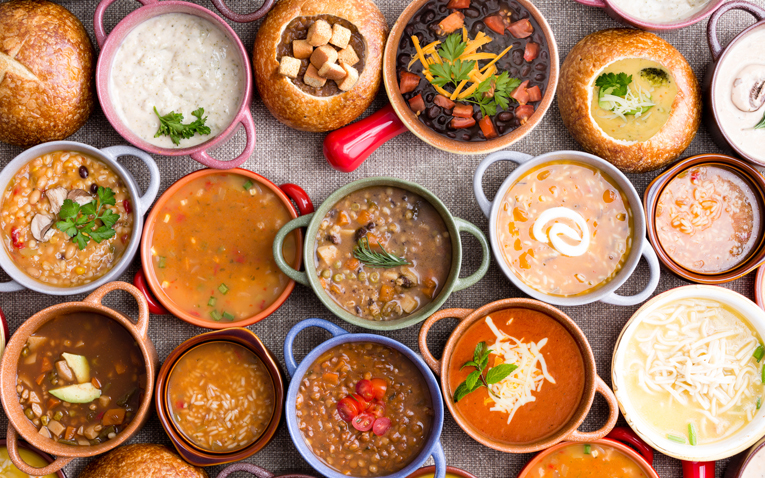
- Soups. Chicken soup with noodles can be a good choice. So can pureed soups, such as butternut squash. Consider adding broth to your favorite soft proteins or starches to make them easier to swallow.
Foods to Avoid While on an Esophageal Soft Diet
Give your esophagus time to heal by avoiding hard, dry, crunchy, spicy, acidic or rough foods. Steer clear of:
- Carbonated drinks, coffee, caffeinated beverages, alcohol and anything very hot or cold
- Hard cheeses, such as Swiss and cheddar
- Steak, hamburgers, sausages or meat that’s seasoned with peppercorns
- Bread that’s crusty or doughy, muffins and other dense baked goods
- Crispy, whole fruit, like apples and pears
- Raw vegetables, especially anything crunchy, such as carrots, or fibrous, such as celery
When to Talk to a Doctor About Esophageal Symptoms
An esophageal soft food diet is only intended as a temporary measure. If you experience persistent pain with swallowing, chronic reflux symptoms, repeated instances of food getting stuck in your throat or unintended weight loss due to a limited diet, see your doctor.
“Symptoms which should prompt an immediate discussion with a doctor include food that’s getting stuck more and more often, pills getting stuck or even liquids getting stuck,” Kamboj said. “Food should not get stuck for more than a few seconds going down the esophagus.”
Sample Soft Food Meal Ideas
New to a soft food diet? Try these meal ideas:
For breakfast: Greek yogurt, plus a serving of drained canned pears mixed into oatmeal.
For lunch: Thinly sliced deli-counter turkey with slices of avocado and fresh mozzarella.
For dinner: Baked salmon, steamed broccoli and penne pasta.
For snack: Blend together milk, frozen banana slices and peanut butter for a smoothie.
Frequently Asked Questions
Which foods are easiest to eat while on a soft food diet?
Choose soft foods that are easy to chew and swallow, such as applesauce, mashed potatoes, baked beans and anything you can easily cut with a fork.
Which foods should you avoid on an esophageal soft diet?
Avoid crispy, dry and tough foods, such as crusty bread, grilled steak and raw carrots.
Is an esophageal soft diet the same as a mechanical soft diet?
No. Both diets recommend many of the same soft foods, but a mechanical soft diet may be a long-term solution to help people with difficulty swallowing. An esophageal soft food diet is intended to temporarily ease esophageal pain or discomfort.
Can you eat eggs, yogurt and soup with esophagitis?
Yes. All of these foods can be part of a soft food diet. Serve eggs scrambled or soft, choose yogurt from the dairy aisle—not the freezer case—and pick a soup that’s broth-based or pureed.
How long should you stay on a soft food diet?
Ask your doctor how long you should follow an esophageal soft food diet. It’s intended to be a short-term solution for days or weeks, not months.